
Orphans, Cousins, Sisters
The story of Alice Marshall and Betty Anderson — two sisters raised apart, with the truth revealed in the most unlikely of places.

Betty Anderson thought she knew who she was.
Born on 21 June 1917 in Birtley, County Durham, Betty was orphaned at the age of one and taken in by her grandparents, William and Mary Anderson. She was raised on Lonsdale Street in the nearby village of Newfield, but returned regularly to Birtley to visit her cousins, William and Alice Marshall. They, too, had been orphaned at a young age and were raised by their grandparents.
This was Betty’s reality.
Then, one ordinary day at work, her world shifted.
Betty had followed Alice’s footsteps into employment at the local tinplate works when another girl approached her and told her she shouldn’t be there. Why? Because only one person from each family was permitted to work at the factory — and Alice Marshall was her sister.
An open secret, known to all but them.
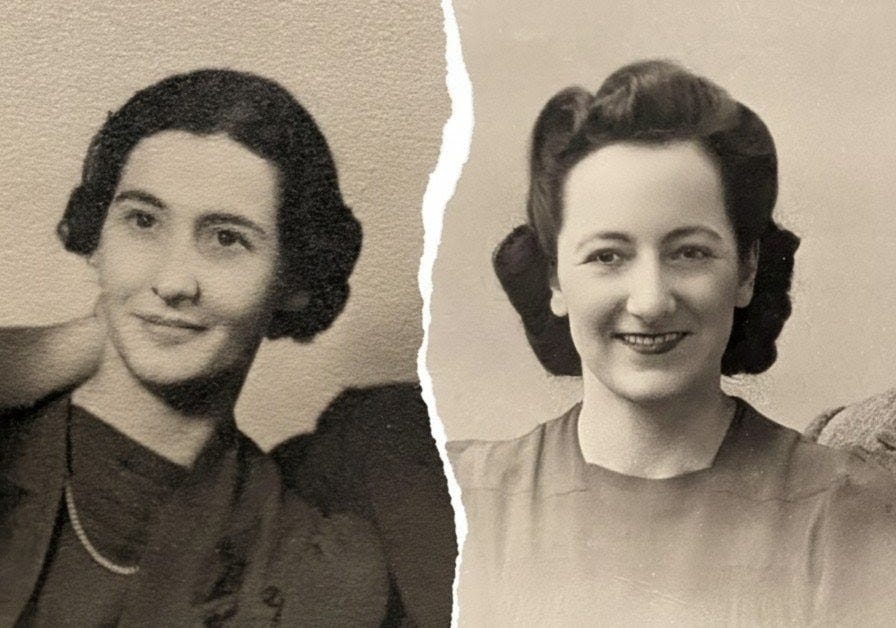
To understand why Betty was raised apart from William and Alice Marshall, we have to go back to before Betty was born.
William, Alice, and Betty shared a mother: Elizabeth Anderson. She married William Marshall in 1911 and soon gave birth to their first child, William, in September of that year. A second son, John, followed two years later, before Alice was born on 12 December 1914.


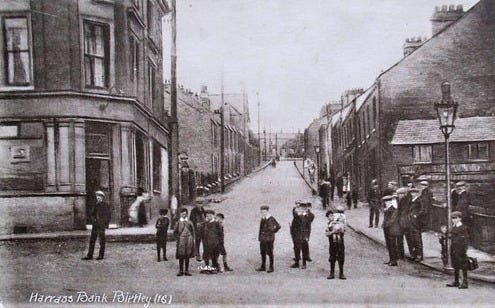
The family lived in poverty on St Bede’s Row, one of Birtley’s slums. This street would later be demolished under the Housing Act 1936 as part of a wider effort to clear housing deemed unfit for human habitation. But for the Marshall family, the damage had already been done.
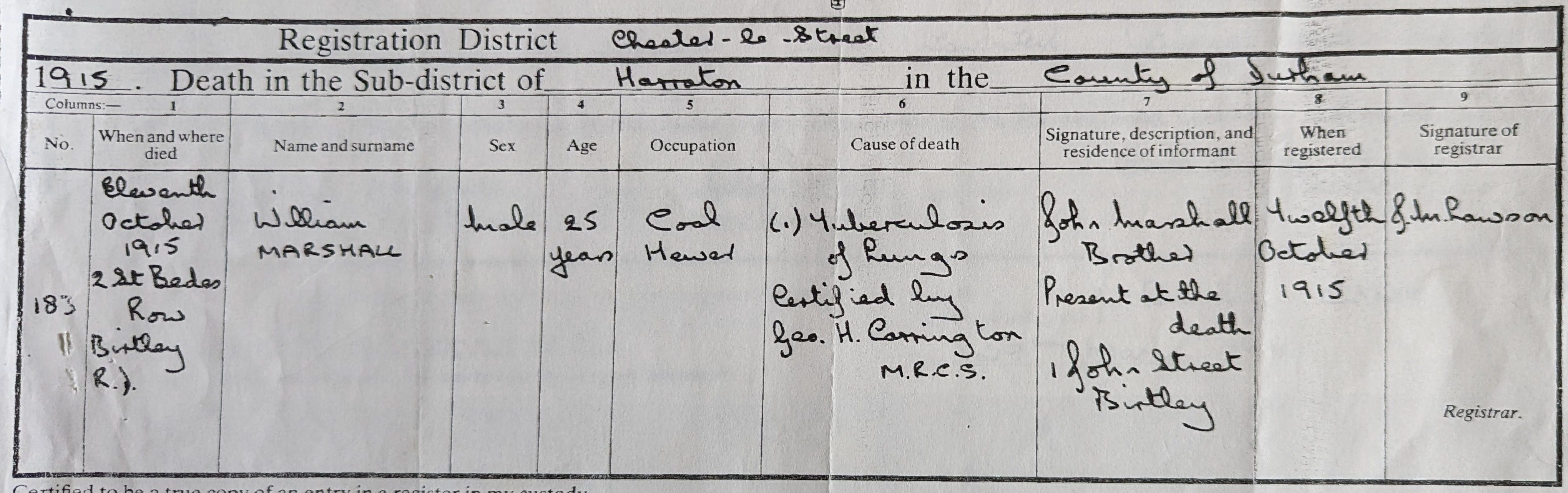
On 11 October 1915, when Alice was not yet one year old, her father William died of tuberculosis.
Just over a month later, her brother John died of the same disease, aged only two.

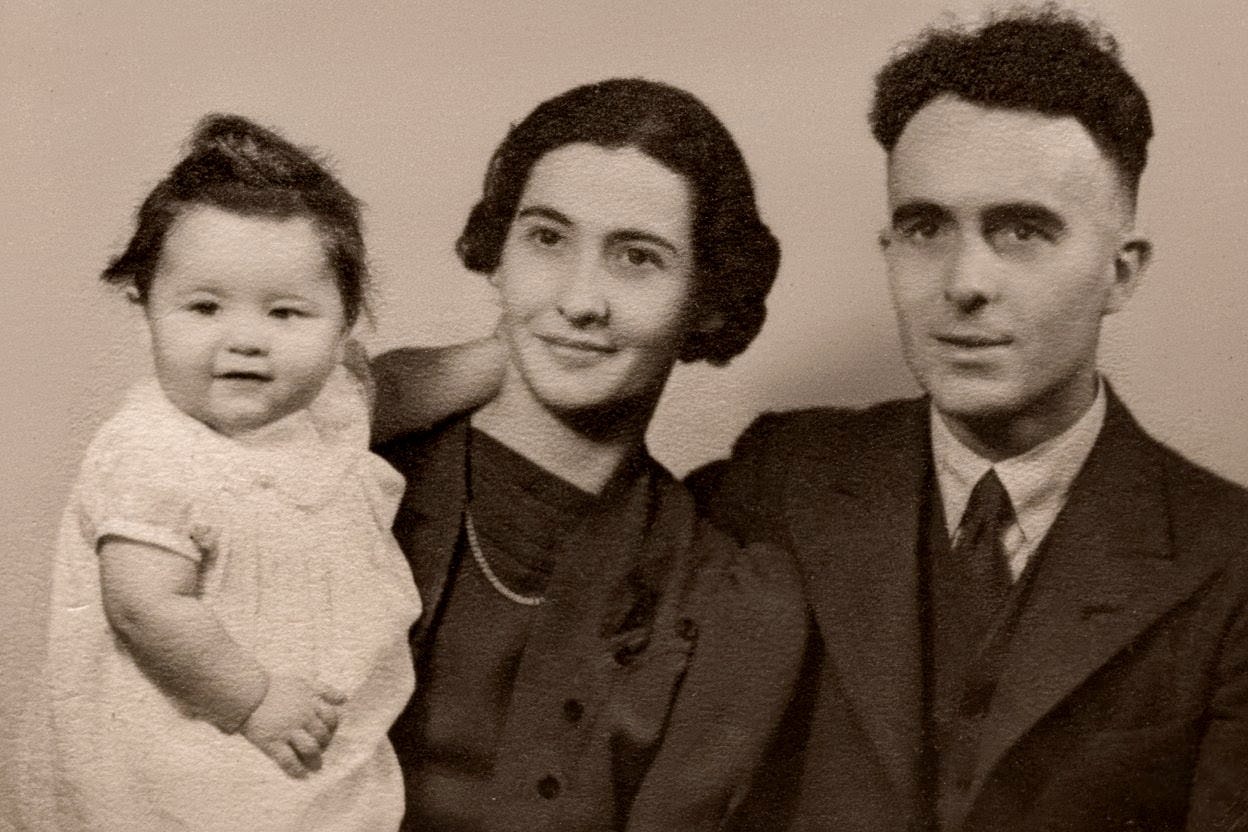
Only Elizabeth and her two surviving young children remained. The three of them posed together for a photograph in a fragile moment of unity.
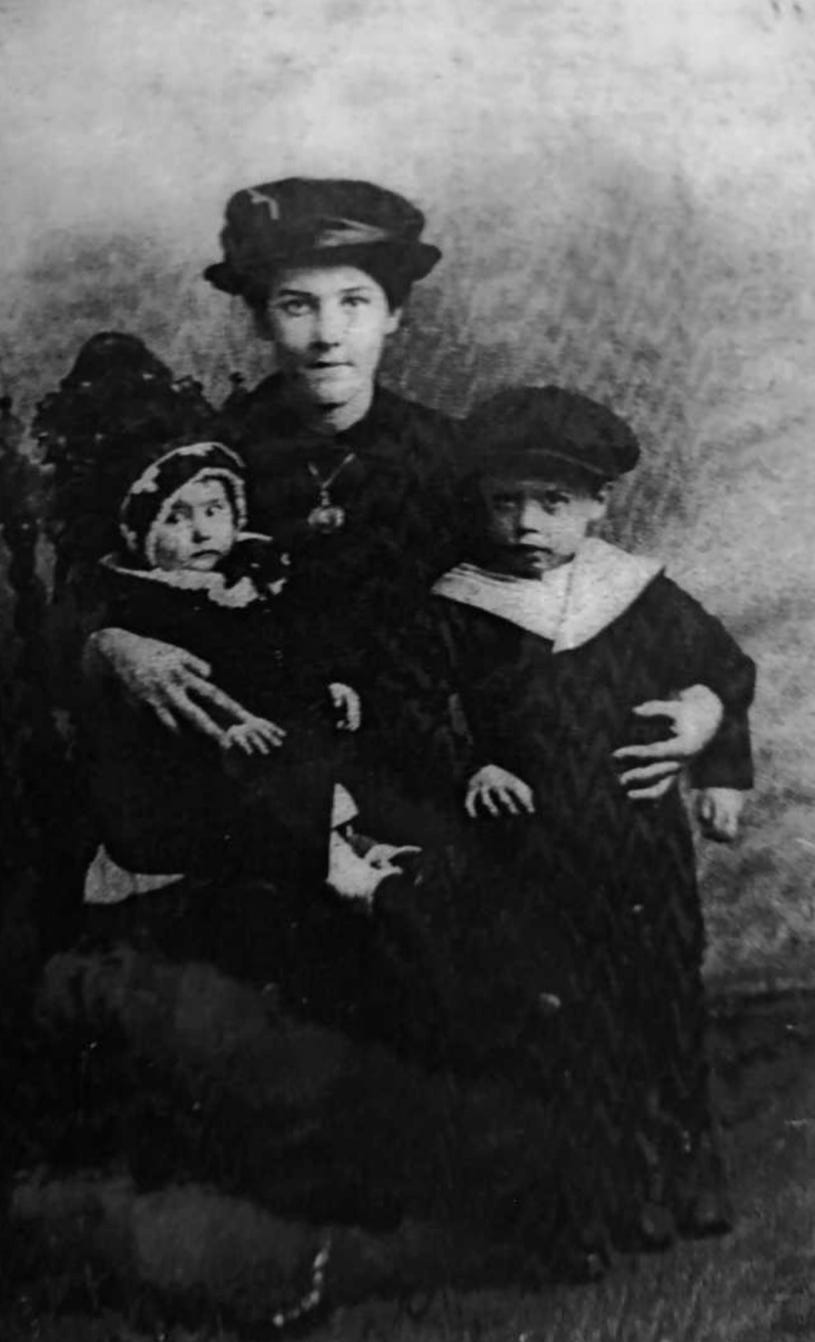
But, as we know, they were not a unit of three for long.
Elizabeth entered a new relationship and fell pregnant with Betty. The man responsible is said to have proposed marriage, but made it clear that he would not be willing to take on William and Alice. Admirably, Elizabeth refused, choosing to remain present in all three of her children’s lives, despite the inevitable damage to her reputation, and the security a new husband likely would have brought. However, Elizabeth would never see her beloved children grow up. She died of tuberculosis in November 1918.
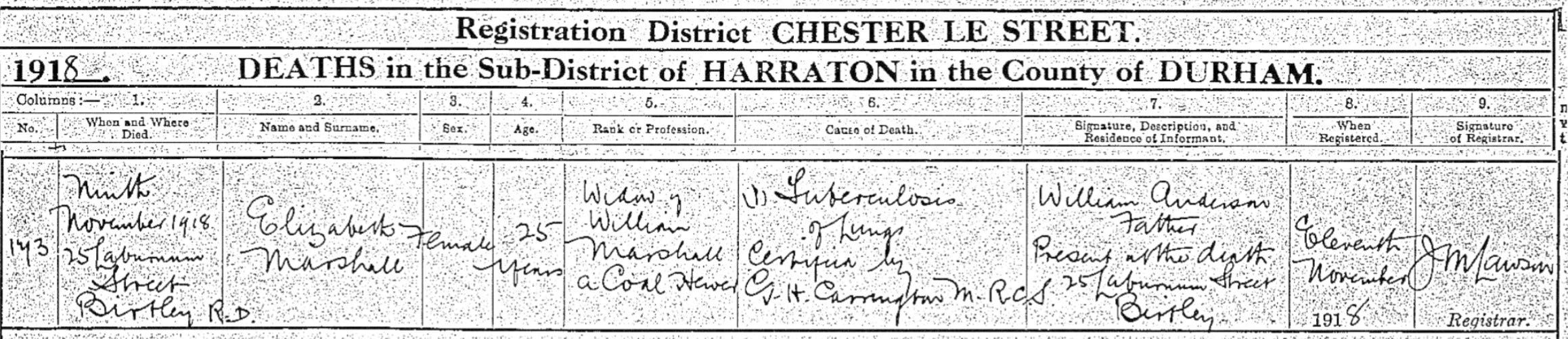
And so, while Elizabeth’s in-laws took in their son’s children, Betty was left in the care of Elizabeth’s own parents. And the deception began.
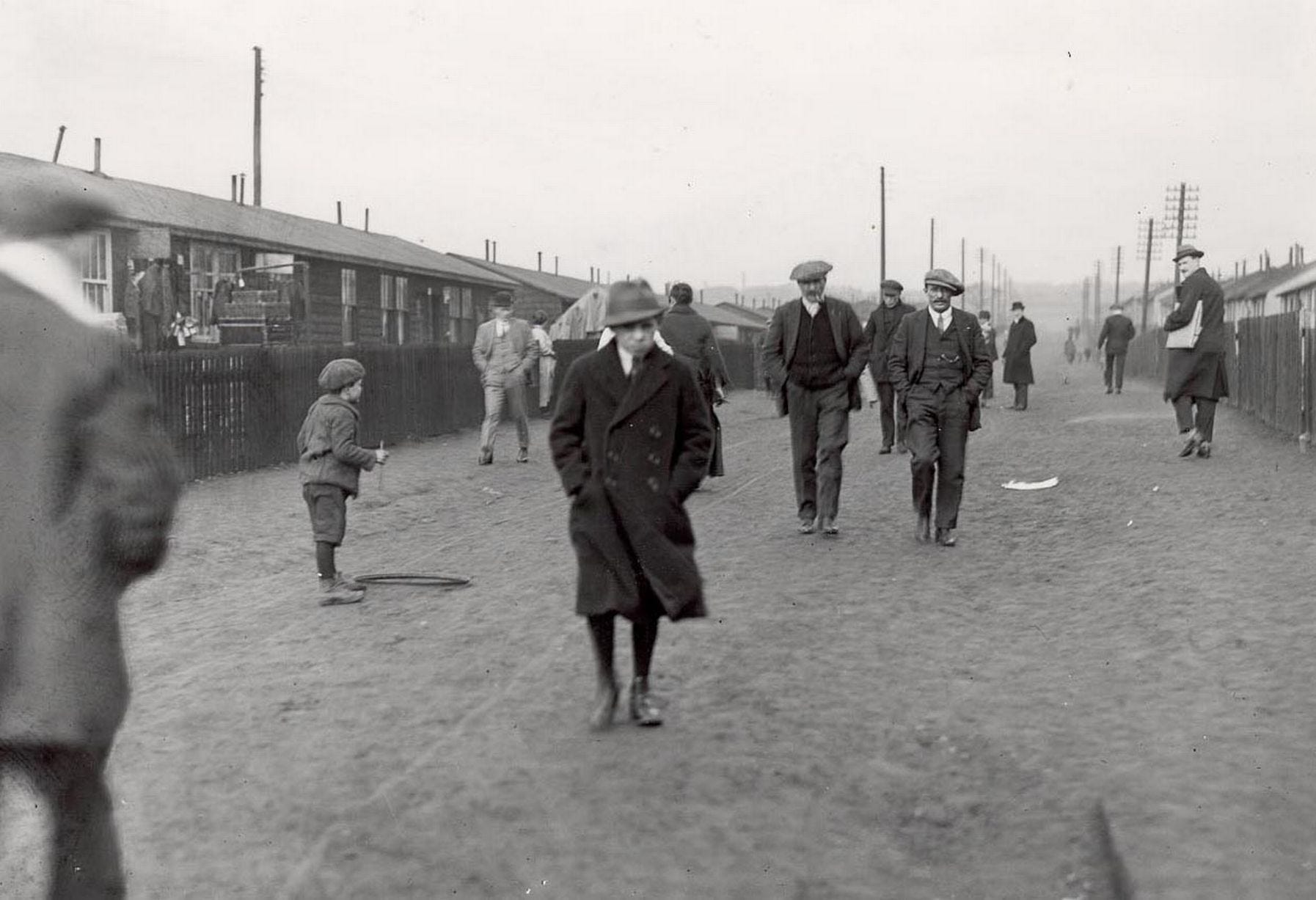
Alice and William appear in the 1921 census living with William and Mary Marshall (née Brannon), in Elisabethville — an area of Birtley once a gated complex occupied by the Birtley Belgians, (wounded WWI soldiers and their families, who worked in a factory aiding in Britain’s armaments production). William, then in his sixties, worked as a surfaceman at a local pit, and two of the couple’s adult sons, Arthur and Thomas, also lived in the household.
The weight of Alice and William’s loss is made starkly clear in the census return: beside their names are the words “both dead”, referring to their parents.
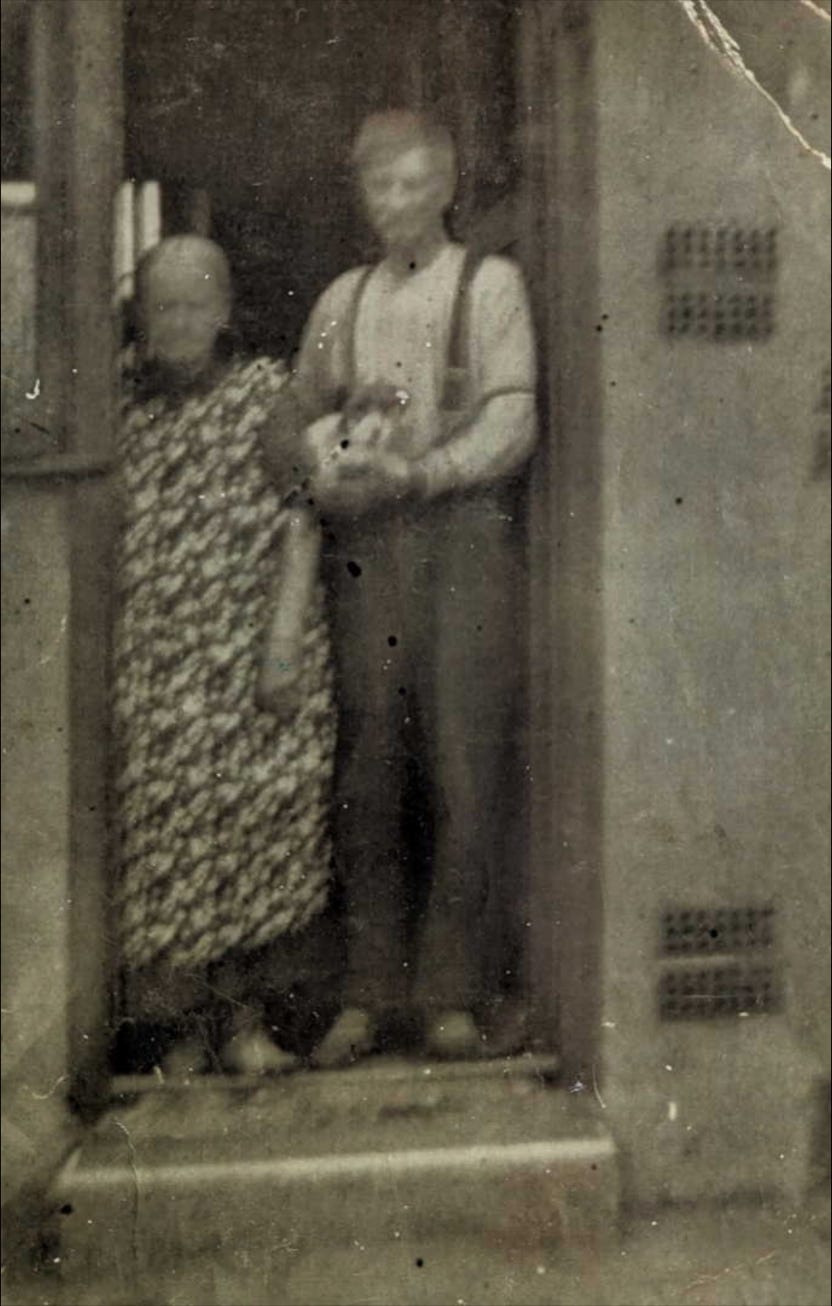
Betty, by contrast, does not appear in the 1921 census, as far as I’ve been able to determine. While she would almost certainly have been living with her grandparents, William and Mary Anderson (née McAllister) in Newfield at that time, I suspect she was deliberately omitted from the household return — a reflection of the shame surrounding her birth.
William Anderson, like William Marshall, was in his 60s and working at a local pit, but he was working underground in the difficult role of a coal hewer. At the time, Betty’s aunt Annie was also living at the address with her new husband, recorded as undertaking home duties, and may have helped to raise Betty alongside her grandmother Mary.
This was just the beginning of the three siblings’ markedly different upbringings. Alice was heavily doted on, while William was portrayed by the Marshalls as a nuisance and a troublemaker, and was eventually sent to an institution for several years after playing with another boy’s bicycle. Betty, meanwhile, resented her grandmother Anderson’s sharp tongue and colourful language, but was quietly thankful that she didn’t have to take on as many household chores as Alice.
This was the dynamic in which they grew up.
When the truth finally emerged on the factory floor, it could have easily torn the siblings apart, whether through envy or regret. Instead, it brought them closer together.
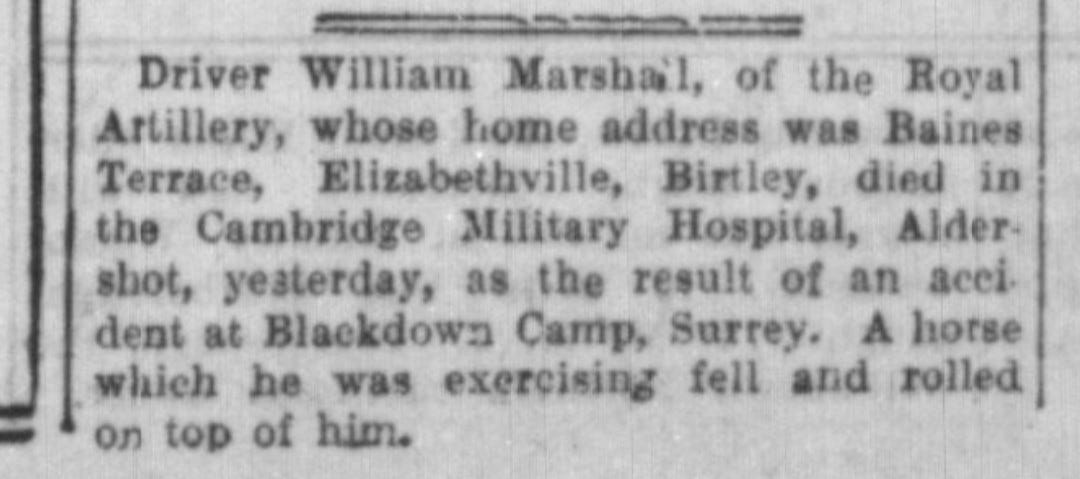
Tragically, William died young, aged just twenty. He had joined the Royal Artillery and was living in Aldershot when a horse he was exercising fell and rolled on top of him. He received an elaborate military funeral in Birtley, but was buried in an unmarked grave — perhaps indicative of his grandparents’ lack of care for him.
After that, Alice and Betty had only each other.
They both married — Alice to Peter Brown, an ordnance factory worker, in 1939; Betty to Thomas Thacker, a lorry driver, in 1943 (after other, I would argue, lesser, men had been unwilling to marry her due to her family background).
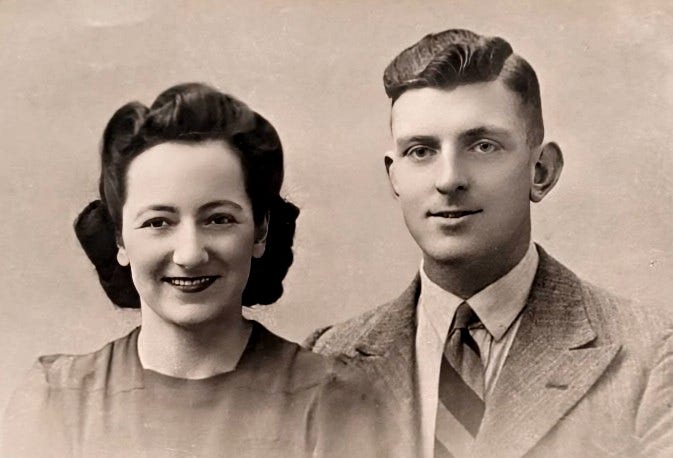
Their children grew up alongside one another, with frequent visits and shared holidays.
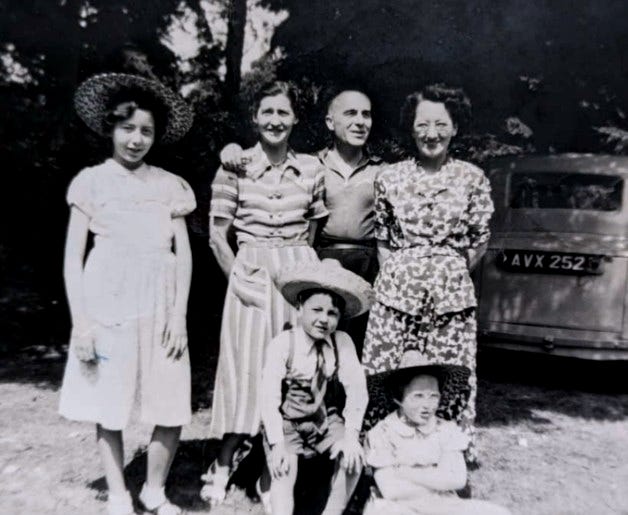
Alice and Betty grew old together, maintaining a close, sisterly relationship for the rest of their lives.
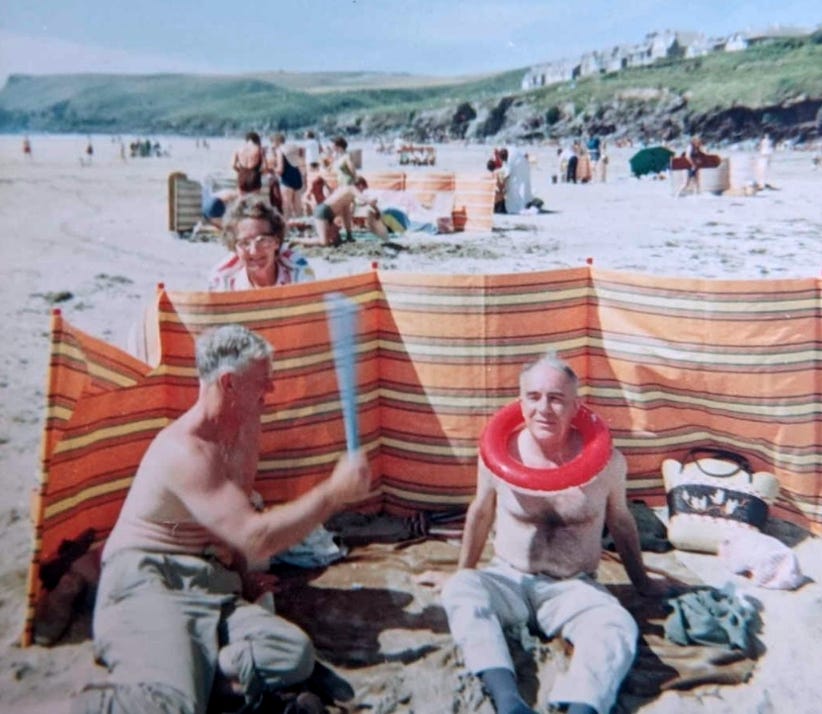
The secrecy and incredible loss that shaped their early years did not define their ending.
Were any of your ancestors’ childhoods shaped by a family secret that only emerged later in life?
A fascinating story. So glad they found each other.