
We Almost Didn't Exist
A three-year-old boy's brush with death captures the startling fragility of every family line.

On the Sunday afternoon of 23rd January 1870, at 10 Stewart Street in Lochee, Scotland, a three-year-old boy found a vial of vitriol and deliberately swallowed its contents.
How a vial of such a highly corrosive, poisonous substance came to be within reach of a small child was not covered in the next day’s Dundee Courier. What it did record, however, was that with “praiseworthy presence of mind,” his mother poured castor oil down the boy’s throat, forcing him to vomit the poison back up — and in doing so, saving his life.
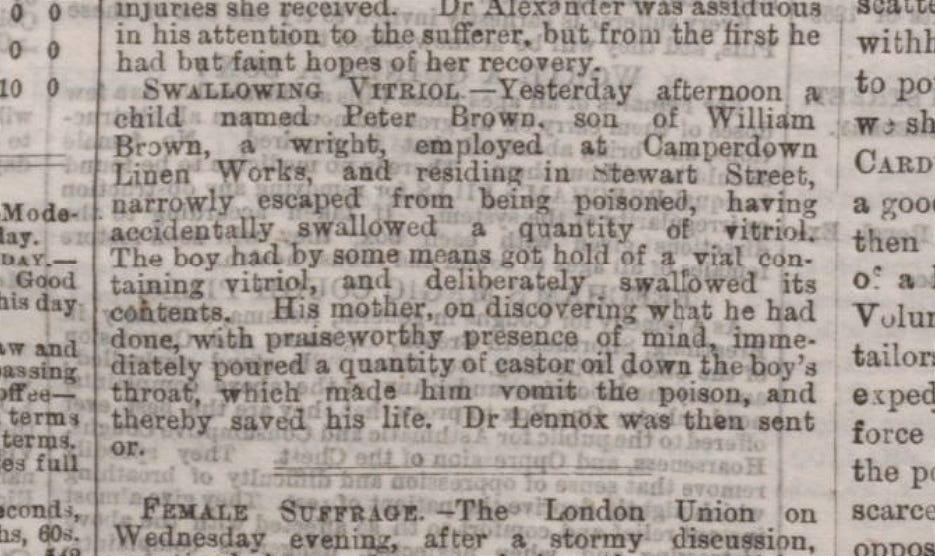
That boy was my 2× great-grandfather, Peter Brown.
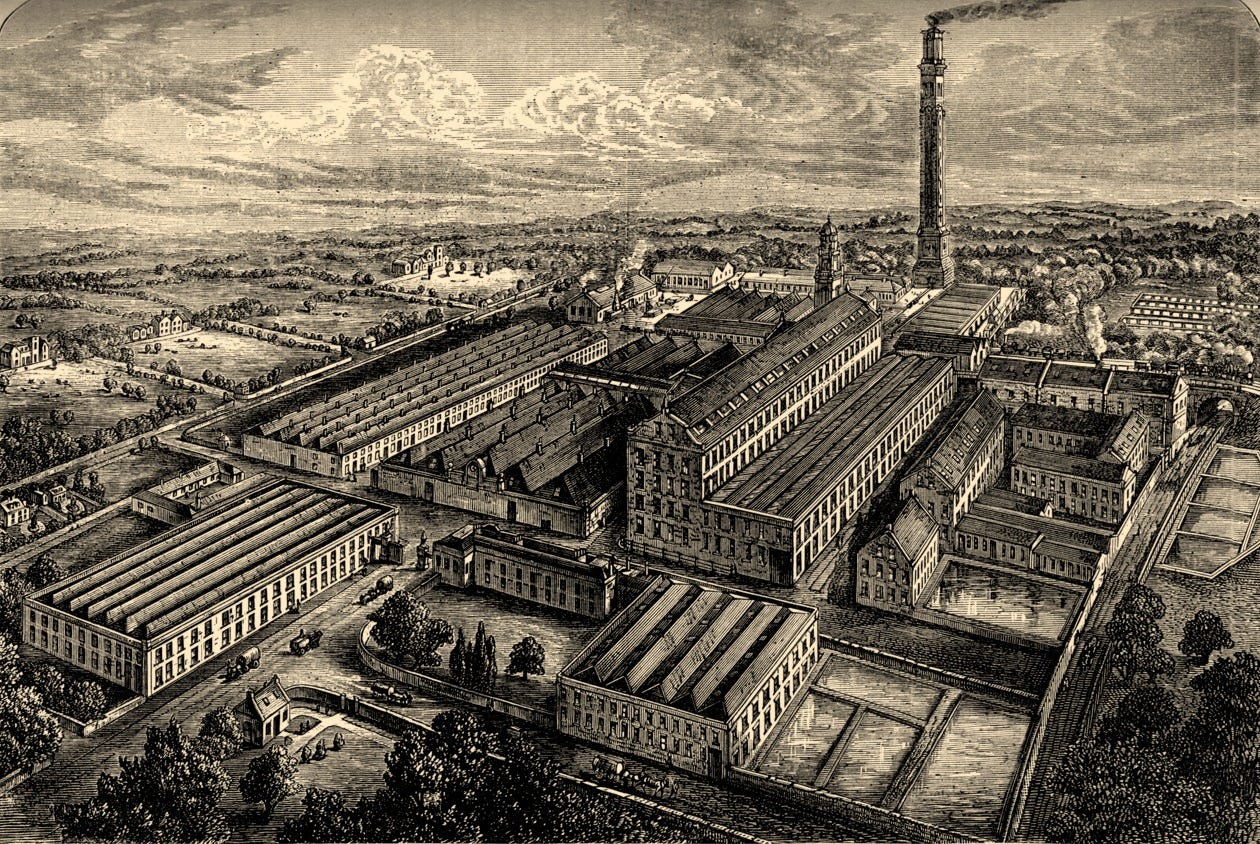
Peter was the son of William Brown, a wright employed at the local Camperdown Linen Works, and his wife Jessie (née Bowman), whose days were largely spent caring for their six children, of whom Peter was the second youngest.
The Dundee Courier’s account of Peter’s brush with death is brief, almost clinical. But reading it for the first time sent me into a bit of an existential spiral.
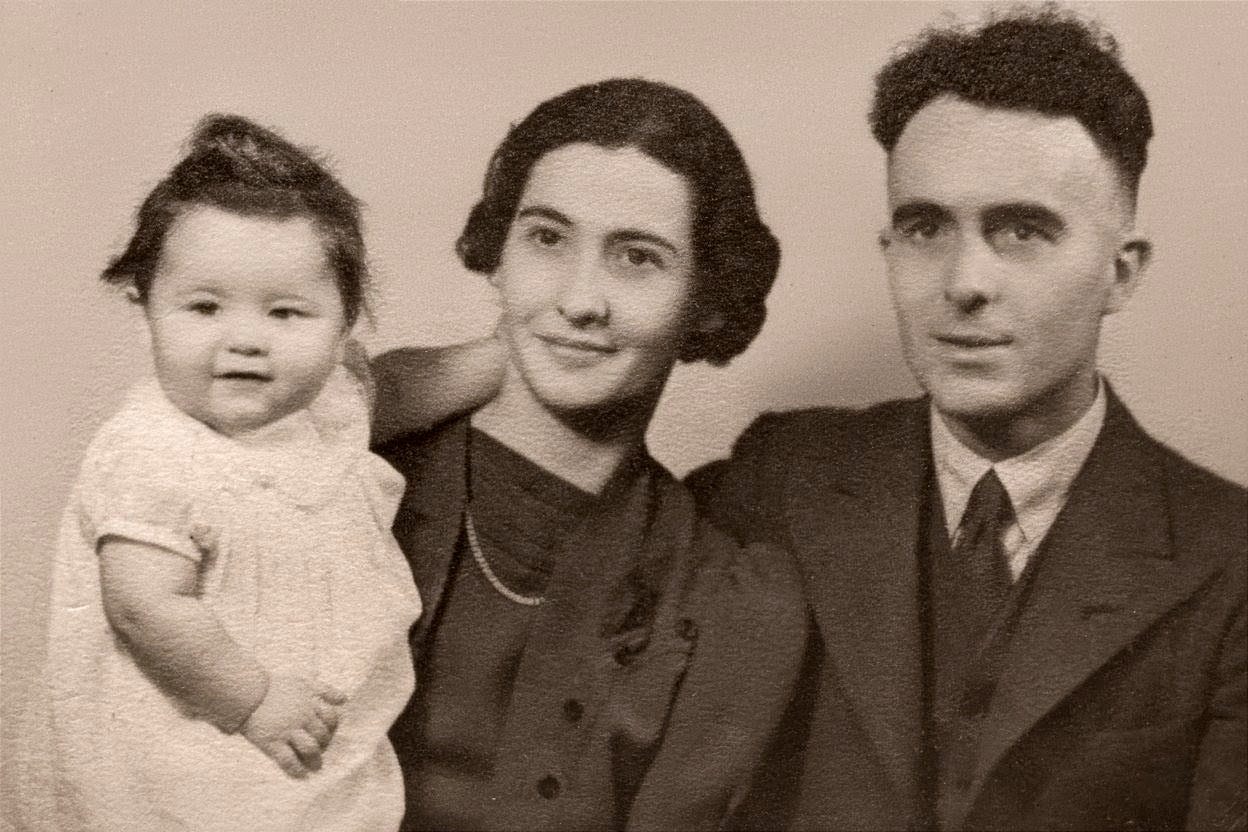
Had Jessie not realised what Peter had done; had she not known that consuming castor oil would induce vomiting; or had she not acted so quickly, Peter’s life would have been cut short at the age of three. He would not have trained as a marine engineer and travelled the world. He would not have met his wife Dora (née Page), a servant residing close to the port of Blyth, Northumberland, nor would she have given birth to my great-grandfather, Peter. He, in turn, would not have met his wife Alice (née Marshall), and together they would not have given life to my maternal grandmother, Yvonne… and so on. To put it simply, I only exist because he survived.
Genealogy is often conceptualised in terms of eras, generations, and decades. But reading about Peter’s near-death experience taught me the importance of fleeting moments. A child’s curiosity. A mother’s instinct. Luck, timing, and survival.
The truth is that we all exist because countless ancestors lived. They lived through illness, accidents, and other close calls. They experienced chance meetings, quick decisions, and moments of intervention. We almost didn’t exist — but somehow, we do.
Uncovering these quietly profound occurrences is one of the many privileges of researching your family history, enabling you to understand the fragility of your very being and prompting a new appreciation for the preciousness of life.
Is there a chance event in your family tree that made you understand the fragility of your family line?
Welcome to Substack, Freya. This is such a thought provoking and well written read. It's a concept that is very 'close to home' for me as a person who wasn't meant to be born at all (unmarried mother + chance encounter = me).
Very well-written. A thought-provoking subject.
I think back then a lot of harmful items were within reach of toddlers. My mother's cousin got into something and died during World War II. The obituary reported a "short and sudden illness."
As a mother myself, I know how easy it is for toddlers to get into things they shouldn't. They have to be watched every second, which is of course impossible.
Welcome to Substack!